Keynote Speakers
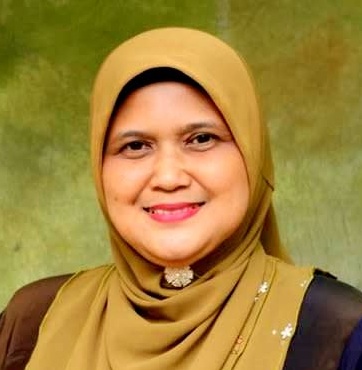
Habibah A. Wahab
Deputy Vice-Chancellor, Research and Innovation, Universiti Sains Malaysia (USM)
Professor Dr. Habibah A Wahab, FASc. is the present Deputy Vice-Chancellor of Research and Innovation at Universiti Sains Malaysia (USM). Prior to that, she served as the Dean of
the School of Pharmaceutical Sciences, USM.
Habibah started her academic journey after obtaining her PhD in Pharmaceutical
Technology from King’s College London in 1999, where she founded the research group
“Pharmaceutical Design and Simulation (PhD”; and later helped establish the Laboratory of
Biocrystallography and Structural Bioinformatics, which evolved into the Centre for Chemical Biology, USM, by 2008
Promoted to full professor in 2010, she became USM’s youngest female professor at the
time. Her extensive service includes two tenures at the Ministry of Science, Technology and Innovation, as the Director and Director-General of the Malaysian Institute of Pharmaceuticals and Nutraceuticals.
Habibah has published over 100 articles in high impact journals and has been recognized
internationally as visiting Professor/researcher at institutions like Universite Henri Poincare, France, Osaka University ans Shinshu University, Japan, Chulalongkorn University, Thailand as well as Padjajaran University in Indonesia.
Title: From Sequence to Predictive Biology: Global Trends in Bioinformatics and Artificial Intelligence
Bioinformatics is entering a new phase. What began as the analysis of biological sequences has evolved into an increasingly predictive, multimodal and AI-enabled science capable of connecting molecules, cells, tissues and clinical phenotypes. This presentation will examine the major global trends shaping that transformation and their implications for biological research, medicine and drug discovery.
The field is moving beyond protein-coding genes toward interpretation of the whole genome, including regulatory elements, non-coding RNAs, structural variation and epigenetic control. At the same time, single-cell and spatial technologies are revealing how molecular processes differ across cell types and tissue environments. Integrating these data with proteomics, metabolomics, imaging and clinical information is shifting bioinformatics from isolated analyses toward systems-level models of biology.
Artificial intelligence is accelerating this transition. Deep learning, transformers and biological foundation models are now being applied to DNA, RNA, proteins and cellular states. AlphaFold demonstrated the power of specialised AI for protein-structure prediction, while generative approaches are extending bioinformatics from prediction toward the design of proteins, therapeutic molecules and biological experiments. However, these advances also raise critical questions concerning data quality, interpretability, reproducibility, privacy, computing access and experimental validation.
Together, these developments mark a shift from describing biology to predicting and designing it. Their success will depend on trustworthy data, reproducible workflows, experimental validation, responsible governance, and equitable access to computational infrastructure. Ultimately, AI will not replace bioinformaticians or experimental scientists, but will expand their ability to ask more ambitious questions and transform complex biological data into actionable knowledge.
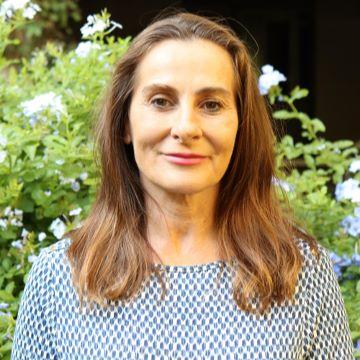
Ana Conesa
Spanish National Research Council, Spain
Ana Conesa is a Computational Biologist, Research Professor at the Spanish National Research Council (CSIC) and Courtesy Professor at the University of Florida. She is a member Spanish Royal Academy of Engineers, Fellow and Vice-president of the International Society for Computational Biology (ISCB), and President of the Spanish Society of Bioinformatics and Computational Biology. She directs the CSIC network for Computational Biology and the CSIC node of the EU infrastructure ELIXIR. She is co-founder of Biobam Bioinformatics, a start-up that provides bioinformatics tools for biologists. Additionally, Ana Conesa is member of the CSIC Sustainability Committee and of the green ISCB task force.
Ana Conesa’s lab is interested in understanding functional aspects of gene expression at the genome-wide level and across different organisms. Her group has developed over 20 statistical methods and software tools for transcriptomics analysis; she has pioneered the development of methods for multi-omics integration and long-reads transcriptomics. A strong drive in her research is helping the genomics community to bridge the gap between data and knowledge by creating bioinformatics tools that everybody can use. Some of our popular software tools are Blast2GO, PaintOmics, maSigPro, NOISeq, Qualimap, SQANTI, tappAS, etc that have received over 46,000 citations. She has led multiple EU projects to develop methods for the analysis of the transcriptome, more recently with a focus on the utilization of long read sequencing to
characterize transcriptome complexity.
Title: Transitioning from short to long read transcriptomics: accuracy, bias and
analysis challenges.
Recent advances in long-read sequencing technologies like PacBio and Oxford Nanopore have revolutionized the generation of full-length transcript sequences. These technologies facilitate a deeper understanding of complex isoforms and transcript structures. As the precision and depth
of sequencing improve, long-read methods are becoming more prevalent in transcriptomics studies for identifying differential gene expression and isoform utilization across various conditions using multiple replicates. Concurrently, new algorithms for transcript reconstruction and quantification have emerged, adapting to the influx of long-read data. With the field’s shift from short to long reads, there is an imperative to establish optimal data preprocessing, experimental designs, quantification, and normalization strategies tailored to these data types.
Critical questions arise: What is the quality of my transcript identification and quantification calls using long-read transcriptomics data? What is the best approach for constructing a long-read-based quantification table? How many replicates are necessary? What is the ideal sequencing depth? How can one identify and correct potential biases in transcript quantification? Which data analysis strategies, if any, are different in long-read transcriptomics? Do these considerations vary depending on the chosen sequencing technology or the algorithm used for processing long reads?
I will present the efforts from my lab to evaluate the quality and utilization of long-read transcriptomics data and discuss what challenges are still present to realize a complete shift from short to reads in transcriptomics studies. I will present the expanded suite of SQANTI tools, designed to comprehensively address these challenges. For benchmarking, SQANTI-SIM stands out as it simulates long-read and orthogonal data with precise control over transcript novelty, enabling robust evaluations of both annotated and novel transcript detection. The BUGSI framework offers a set of universal single-isoform genes, serving as internal standards to identify RNA degradation and library preparation issues. SQANTI-reads provides a critical evaluation of raw data quality in multi-sample experiments, identifying outliers and technological biases while ensuring data quality standards for discovery are met. SQANTI3 evaluates transcript reconstruction algorithms, aiding in the accurate identification of transcript models from long-read data. Modules such as Filter, Rescue, and Requant refine transcript models, enhancing transcriptome quality and precision in quantification.
Our research highlights distinct quantification biases in lrRNA-seq compared to short-read RNA-seq, underscoring the need for specialized normalization approaches. I will also explore alternative methods for defining joint transcriptomes in multi-sample experiments and their implications for transcript detection. Finally, I will introduce IsoAnnot, now incorporated into the SQANTI suite, which differentiates productive from unproductive transcripts and provides functional labels to deepen our understanding of the biological roles of alternative splicing.
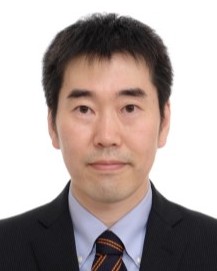
Kentaro Tomii
National Institute of Advanced Industrial Science and Technology (AIST), Japan
Current Role & Institutional Leadership
Dr. Kentaro Tomii serves as a Chief Senior Researcher at the Artificial Intelligence Research Center of the National Institute of Advanced Industrial Science and Technology (AIST).
Field of Expertise
Dr. Tomii specializes in structural bioinformatics, machine learning, and protein sequence analysis. His research integrates deep learning with structural biology, using advanced neural networks and sequence analysis algorithms to characterize complex biological systems. He focuses particularly on protein-protein and protein-ligand interactions, generating insights that support automated drug discovery and related applications.
Career Highlights & Computational Milestones
Dr. Tomii has contributed to bioinformatics since its early stages, developing a wide range of methods and algorithms, including an efficient amino acid substitution matrix MIQS, extensions and parallelization of the widely used MAFFT, protein-ligand interaction prediction, and models for predicting marine microbial communities. In structural biology, his team achieved strong performance in the quaternary structure prediction category of CASP12 using FORTE, an enhanced profile-profile alignment method. More recently, he has extended advances in AI-based structure prediction to develop integrated hybrid approaches for analyzing low- to medium-resolution cryo-electron microscopy (cryo-EM) data. His methods and software pipelines are widely used in genomic and proteomic laboratories worldwide, have received thousands of citations, and have helped establish his reputation as a leading structural bioinformatician in the Asia-Pacific region.
Title:
From Binding-Site Prediction to Inhibitor Design: PoSSuM, PoSSuMAF, and Co-folding
Abstract:
Advances in biomolecular structure determination have greatly increased structural data on protein-ligand complexes. In addition, co-folding methods now enable highly accurate modeling of these complexes. In this presentation, we will introduce PoSSuM (Pocket Similarity Search using Multiple-sketches), a database of similarity search results for known and putative ligand-binding sites, and PoSSuMAF, an expanded version of PoSSuM that incorporates AlphaFold-predicted structures of human proteins. We will also present our collaboration with experimental groups to develop potent inhibitors using co-folding methods.
Plenary Speakers

M Firdaus Raih
Department of Applied Physics, Faculty of Science and Technology, Universiti Kebangsaan Malaysia
Mohd Firdaus Raih is a Professor of Bioinformatics and Computational Structural Biology
at the Department of Applied Physics, Faculty of Science and Technology, Universiti Kebangsaan Malaysia. His research is primarily directed at investigating the molecular interactions that affect function and/or effect molecular level switching. To accomplish this, the Firdaus Raih group studies the structure, function and evolution of biological macromolecules to compare how the atomic level differences can result in different functions by effecting regulatory or mechanistic changes. One long standing area of interest has been the evolution of macromolecular complexity. The approaches employed in exploring and investigating these datasets primarily involve bioinformatics, computational biology and genomics but also extend to structural biology (mainly X-ray crystallography), synthetic biology and systems biology. The insights revealed from these investigations can provide clues as to how molecular level regulation and responses can eventually lead to an organism’s capacity to adapt to extreme (ie. extremophiles) or diverse environments (such as a bacterial pathogen or parasite adapting to a host), as well as the discovery of novel factors associated with pathogenesis (toxins and
pathogenesis/virulence regulation systems). Such understanding of the atomic level
interactions that define specific biological mechanisms have led to the development of
applications for drug repositioning and tools for the synthetic design of nucleic acid self-
assembling structures.
Title: Beyond Sequence and Fold: Mapping Conserved Mechanisms in the Post-AlphaFold Era
In structural bioinformatics, the principal challenge has shifted from generating credible three-dimensional models to assigning functions to the millions of experimental and predicted structures that remain poorly characterized or of unknown function. Our research demonstrates how graph-theoretical algorithms can extract mechanistically meaningful local similarities from this expanding structural landscape and convert structural abundance into insights on conserved molecular mechanisms. These tools search for recurring three-dimensional constellations of amino acids and RNA bases, revealing similarities that are often undetectable by sequence- or fold-level comparisons. Examples include ion-pair squares, nitrite-reductase-like patches, arginine clusters, catalytic-triad-like arrangements, RNA base triples, base-quadruple extensions, and lysine-riboswitch quadruple networks.
Some motifs arise from the contribution of a single residue from each subunit in a homomeric assembly, making them effectively invisible at the sequence level. Such local recurrences provide a principled bridge from geometry to function. They reveal conserved catalytic and binding chemistries across deep evolutionary distances, including instances of convergent evolution; improve the annotation of AI-predicted structures; and support drug repositioning through ligand-site transfer, scaffold hopping, and off-target inference. The next frontier is the mechanistic cartography of reusable three-dimensional substructures across proteins and RNAs, linking evolution, function, biomolecular engineering, and therapeutic opportunity.
Tunku Kamarul Zaman
Department of Orthopaedic Surgery, Faculty of Medicine, University of Malaya (UM)
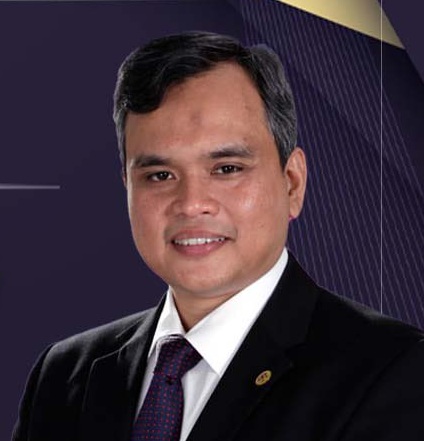
Professor Dr Tunku Kamarul Zaman (“Prof TK”) is the Vice Chancellor of KPJ Healthcare University (KPJU), where he leads the integration of education, clinical service and research across one of Malaysia’s leading private healthcare university systems. He is also Professor of Orthopaedics and Regenerative Medicine at the University of Malaya, widely regarded as the country’s foremost expert in musculoskeletal basic sciences and orthopaedic regenerative medicine. A clinician‑scientist with over 220 peer‑reviewed publications, his work has attracted more than 9,000 citations and an H‑index of 55, reflecting strong international impact.
Prof TK has held major leadership roles including Chief Executive/Director of University of Malaya Medical Centre, Executive Director of the University of Malaya Centre for Continuing Education (UMCCed), and campus director responsible for developing Universiti Sains Malaysia’s Bertam campus and USM Medical Centre in Penang. He is a Fellow of the Academy of Sciences Malaysia and the International Combined Orthopaedic Research Society (ICORS), has previously served on the Academy Council, and currently leads the Academy’s mission‑oriented initiative on digital health. Drawing on this combination of clinical, research and strategic leadership experience, he now focuses on digital transformation and AI‑driven innovation in biomedicine and healthcare systems.
Title: Artificial Intelligence in Biomedical Imaging
Artificial intelligence is now transforming biomedical imaging from a descriptive visual discipline into a computationally enriched domain that unites image acquisition, reconstruction, segmentation, interpretation, and prediction within a single analytical ecosystem. Across contemporary radiology and image-guided medicine, advances in deep learning, radiomics, multimodal learning, and increasingly foundation-model approaches are expanding the role of imaging from diagnosis alone toward quantitative phenotyping, risk stratification, and decision support.
This keynote lecture will consider that transformation from the perspective of both biomedical engineering and clinical practice. It will examine how AI is reshaping the full imaging pipeline, from data curation and feature extraction to model development, validation, and deployment, while also illuminating its translational relevance in musculoskeletal and orthopaedic imaging, where opportunities are emerging in image analysis, anatomical measurement, operative planning, and workflow optimisation.
At the same time, the future of the field will depend not merely on algorithmic sophistication, but on scientific rigor and institutional trust. Accordingly, the lecture will address the central requirements for clinically consequential AI in imaging: robustness, explainability, fairness, usability, traceability, and governance, reflecting the growing international consensus that the next frontier is not simply building intelligent systems, but building systems that are reliable, deployable, and worthy of adoption in real-world care.

Adiratna Mat Ripen
Head of Cancer Research Centre
Adiratna Mat Ripen is a research professional at the Ministry of Health Malaysia with experience in genomics, precision medicine, and health policy initiatives. She is actively involved in advancing collaborative programmes between the Ministry of Health Malaysia and national research partners, particularly in the fields of rare diseases, cancer research, and genomic medicine. She also serves as Co-Principal Investigator for Malaysia’s population genomics study, MyGENOM, which is currently progressing into its second phase. Her work focuses on strengthening research translation, fostering strategic partnerships, and supporting evidence-informed healthcare planning to promote equitable access to innovative health solutions.
Adiratna has contributed to national and international scientific engagements, policy
discussions, and capacity-building initiatives aimed at advancing Malaysia’s healthcare and biomedical research ecosystem through multidisciplinary collaboration and innovation.
Title: Integrating AI and Omics for Precision Health
The convergence of artificial intelligence (AI) and multi-omics technologies is transforming healthcare from a reactive model toward predictive, preventive, personalized, and participatory precision health. Advances in genomics, transcriptomics, proteomics, metabolomics, and immunomics have generated unprecedented volumes of biological data, creating new opportunities to understand disease mechanisms, identify therapeutic targets, and optimize patient care. However, the complexity and scale of these datasets require sophisticated AI-driven approaches to extract clinically actionable insights.
This presentation will explore how AI-enabled integration of multi-omics data is accelerating precision health across the continuum of care, from rare disease diagnosis and cancer management to population health and disease prevention. Drawing on the Malaysian experience, the talk will highlight the role of genomic medicine in improving diagnostic yield for patients with inborn errors of immunity, the development of national population genomics initiatives such as MyGENOM, and the emergence of data-driven approaches to support precision medicine implementation.
The presentation will discuss how machine learning and advanced analytics can facilitate variant interpretation, patient stratification, risk prediction, biomarker discovery, pharmacogenomic decision-making, and clinical outcome forecasting. It will also examine the importance of building representative genomic reference datasets for diverse populations to reduce biases in AI models and improve equitable healthcare delivery. Finally, key challenges and opportunities in data governance, ethical and legal considerations, workforce development, and digital health infrastructure will be addressed. By integrating AI with multi-omics and real-world health data, healthcare systems can move beyond traditional one-size-fits-all approaches toward a future where prevention, diagnosis, and treatment are tailored to the biological and environmental context of each individual. This paradigm shift has the potential to transform both clinical practice and public health at national and global scales.
Shandar Ahmad
Jawaharlal Nehru University
(JNU), New Delhi, India
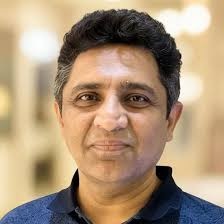
Professor Shandar Ahmad is Professor of Bioinformatics at Jawaharlal Nehru University
(JNU), New Delhi, where he coordinates the DBT Bioinformatics Centre and previously served
as Dean of the School of Computational and Integrative Sciences. He has held research and
academic appointments at the National Institute of Biomedical Innovation, Health and Nutrition
(NIBIOHN) and Osaka University, Japan.
He has been earlier associated with Universiti Putra Malaysia as a visiting faculty. With a doctoral degree in physics, Prof. Shandar Ahmad moved to AI and Bioinformatics early
and has been a pioneer in data-driven biology. He developed some of the earliest machine learning methods for predicting protein functional sites from sequence data, specially protein-
DNA interactions from the perspective of both proteins sequences and DNA shapes. His current research focuses on developing a broad range of artificial intelligence frameworks and algorithms for integrating multimodal biological data—including genomics, transcriptomics, structural biology, chromatin architecture, histopathology, and patient-derived models—to advance precision medicine and drug discovery. His work has contributed to pan-cancer drug response prediction, genome organization, and AI-enabled biomedical discovery, bridging molecular biology, data science, and clinical applications.
For more, visit his website www.sciwhylab.org
Title: AI-driven predictive biology across data modalities
Artificial intelligence has become a natural method of studying biological systems across multiple scales and data modalities. Our laboratory (SciWhyLab) develops AI-and data-driven predictive modeling frameworks to address challenges at the interface of methodological advances in computation and solving longstanding open questions in biology. We have developed several AI-enabled methods for data integration and large scale imputation for multiple biological modalities, including genomics, transcriptomics, and drug lead generation. We have also developed methods using Large language models and gained insights into their biological interpretation vis-à-vis feature-based models. Our results indicate that recent knowledge representation methods derived from foundation models and large language models in proteins, DNA, gene expression and image analytics can be effectively integrated to addresses standing problems in bioinformatics and often outperform them. However, biological interpretations of these models are lacking and novel approaches are needed to link biological meanings with information rich representations. We discuss how LLMs and foundation models need to be developed in parallel to more conventional AI-approaches and Physics-based featurisation to gain the predictive power as well as biological insights into predictive biology.